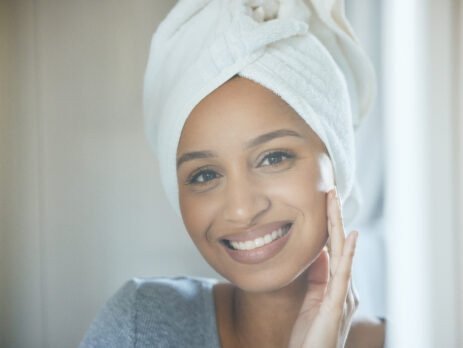
Young Adult Skin Care Regimen
Comprehensive Skincare Regime for a Young Adult- How to Preserve, Heal and Protect Your Young Skin
I have put together this document to help young people who may be confused about all the products and claims. It is no wonder, given the hundreds of products claiming miraculous results.
I have only discussed treatments/products that are safe and proven to be effective.
If you are young and healthy, you may be wondering, Why do I need any skin care at all?
One reason is that studies have shown that even if your skin is healthy, the early commencement of a simple yet effective skin care regimen will help your skin stay healthy and look younger for much longer than if you don’t use proper skin care.
A problem I see a lot, is people using too many of the wrong products. This just irritates and inflames their skin. And with this inflammation, signs of premature aging, like wrinkles and blotches, start to develop much earlier.
Using strong soaps in a hot shower may make your skin feel squeaky clean, but it’s also being damaged- that soap is generally very alkaline, and this damages your skin’s natural barrier and the microbiome that keeps your skin healthy.
Your skin microbiome is a complex ecosystem of microorganisms, primarily bacteria, fungi, and viruses, that live on the skin’s surface and in the hair follicles. It plays a crucial role in maintaining skin health.
Another reason to start caring for your skin now, is that many younger (under 30) people with white or olive skin already have some skin damage, predominantly from exposure to UV radiation (solar) as a child, as I explain later.
So, if you are an outdoors person, you probably have some solar-induced skin damage. And if those activities were near or on water, then you will have double the damage. Sunlight reflected from water à double dose.
I have compiled a table outlining your essential skin care needs, along with additional information about the recommended products. Introduce only one new product per week (apart from the Cleanser and Moisturizer).
Where I have given two options to choose from, you can check the relevant website and see which one you prefer. You can compare prices, check product reviews etc. Reddit is a good forum for checking how other people have found these products.
Although you may notice that someone says a certain cream is wonderful, while someone else doesn’t like it, this just demonstrates how our skin and how it behaves are not the same for everyone.
I have discussed treating different skin types in more detail in the article “Treatments for Different Skin Types.”
Basic Morning Routine
| Step | Product Type | Purpose | Example Products |
| 1 | Gentle Cleanser | Remove overnight buildup | CeraVe Hydrating Cleanser, OR
Neutrogena Ultra Gentle |
| 2 | Vitamin C Serum | Antioxidant protection, brightening | SkinCeuticals C E Ferulic OR
Timeless 20% Vitamin C + E Ferulic Acid Serum |
| 3 | Moisturizer | Hydration, barrier protection | La Roche-Posay Toleriane Double Repair Face Moisturizer |
| 4 | Sunscreen SPF 30+ | UV protection | EltaMD UV Clear, OR
La Roche-Posay Anthelios |
Evening Routine
| Step | Product Type | Purpose | Example Products |
| 1 | Oil Cleanser (if wearing makeup) | Remove makeup/sunscreen | DHC Deep Cleansing Oil, OR
Banila Co Clean It Zero |
| 2 | Water-Based Cleanser | Deep cleansing | Same as morning cleanser |
| 3 | Treatment Serum | Target specific concerns | Niacinamide, Hyaluronic Acid, or BHA (see below) |
| 4 | Retinol (2-3x/week) | Anti-aging prevention | The Ordinary Retinol 0.25 |
| 5 | Night Moisturizer | Overnight repair | Olay Regenerist Night Recovery, Or
CeraVe PM |
Monday, Wednesday, Friday Evening: Exfoliation- Paula’s Choice 2% BHA Liquid Exfoliant-after cleansing, before other treatments
Tuesday, Thursday, Sunday Evening: Retinol-The Ordinary Retinol 0.2% in Squalane (beginners) or Drunk Elephant A-Passioni Retinol Cream (more advanced)
See below for more information about using these products.
Weekly Additions-
Please have a look at the article about Masks if you want to know more about using them for skin care.
Also the article about AHAs and BHAs explains them in more detail.
AHAs (Alpha Hydroxy Acids) are obtained from fruits, milk and sugar; they cause exfoliation (removal of dead and unhealthy skin cells) and new skin regeneration.
BHAs (Beta Hydroxy Acids) are usually a form of salicylic acid derived from willow bark; they have anti- inflammatory and pore-cleansing effects.
| Day | Special Treatment | Purpose | Example Products |
| Sunday | Exfoliating Mask | Deep pore cleansing | Paula’s Choice 2% BHA, OR
The Ordinary AHA/BHA Peeling |
| Wednesday | Hydrating Mask | Extra moisture boost | The Ordinary Hyaluronic Acid Mask, OR
Laneige Water Sleeping Mask |
Morning Routine- the Products and How They Work:
- Gentle Cleansing
- CeraVe Hydrating Cleanser
- Key ingredients: Ceramides, hyaluronic acid
- How it works: Maintains skin barrier while gently removing impurities without stripping
- Why it’s ideal: Non-foaming, fragrance-free formula that cleanses without disrupting skin’s natural balance
- Antioxidant Serum
- SkinCeuticals C E Ferulic or Timeless 20% Vitamin C + E Ferulic Acid Serum (more affordable option)
- Key ingredients: 15-20% L-ascorbic acid (vitamin C), vitamin E, ferulic acid
- How it works: Provides strong antioxidant protection against environmental and solar damage, brightens skin, and helps prevent premature aging
- Application: Apply 4-5 drops to dry face after cleansing, allow to absorb for 5 minutes
- Hydrating Serum (optional)
- The Ordinary Hyaluronic Acid 2% + B5
- Key ingredients: Multiple molecular weights of hyaluronic acid, vitamin B5
- How it works: Draws moisture into different layers of the skin for multi-depth hydration
- Application: Apply a few drops to damp skin before the moisturizer
- Moisturizer
La Roche-Posay Toleriane Double Repair Face Moisturizer
Key ingredients: Ceramide-3, niacinamide, thermal spring water
How it works: Ceramides improve barrier function, niacinamide reduces inflammation and balances oil production
Benefits: Oil-free, non-comedogenic formula suitable for most skin types
- Sun Protection
- EltaMD UV Clear Broad-Spectrum SPF 46
- Key ingredients: Zinc oxide 9%, octinoxate 7.5%, niacinamide, lactic acid
- How it works: Provides physical and chemical UV protection while calming sensitive skin
- Benefits: Lightweight, doesn’t leave white cast, suitable for daily use
- Application: Apply generously as final step, reapply every 2 hours when outdoors
Evening Routine-The Products
- Makeup Removal (if needed)
- Bioderma Sensibio H2O Micellar Water
- Key ingredients: Micelles, cucumber extract
- How it works: Micelles attract and lift away makeup, dirt, and oil without harsh rubbing
- Application: Apply to cotton pad and gently sweep across face
- Cleanser
- CeraVe Hydrating Cleanser (same as morning)
- Treatment Products (rotate throughout the week)
Monday, Wednesday, Friday: Exfoliation
- Paula’s Choice 2% BHA Liquid Exfoliant
- Key ingredients: 2% salicylic acid
- How it works: Oil-soluble acid penetrates pores to clear buildup, reduce blackheads, and smooth skin texture
- Application: Apply with cotton pad after cleansing, before other treatments
Tuesday, Thursday, Sunday: Retinol
- The Ordinary Retinol 0.2% in Squalane (beginners) or Drunk Elephant A-Passioni Retinol Cream (more advanced)
- Key ingredients: Retinol, peptides and squalane
- How it works: Accelerated cell turnover, stimulates collagen production, improves skin texture and tone
- Application: Start with twice-weekly application, gradually increasing frequency as tolerance builds. The Ordinary offers increasing strengths of Retinol, which can be found on their website, along with directions. You can increase the strength every month if you are not experiencing any irritation with the current strength you are using. Only use in the evening because retinols can make your skin more sensitive to sunlight.
- Note: Always use sunscreen the following day
Saturday: Recovery Night
- Stratia Liquid Gold
- Key ingredients: Ceramides, cholesterol, fatty acids, niacinamide
- How it works: Has a balanced ratio of barrier-repairing ingredients
- Benefits: Helps repair damage from active ingredients and environmental stressors
- Targeted Treatment Serum
- The Ordinary Niacinamide 10% + Zinc 1%
- Key ingredients: 10% niacinamide, 1% zinc PCA
- How it works: Regulates sebum (oil) production, reduces number and size of pores (oil gland openings), improves uneven skin tone
- Application: Apply a few drops after treatments, before moisturizer
- Note: Can be used daily, morning or night
- Evening Moisturizer
- EltaMD PM Therapy Facial Moisturizer
- Key ingredients: Ceramides, niacinamide, antioxidants
- How it works: Strong barrier repair with anti-inflammatory effects
- Benefits: Lightweight but deeply nourishing, supports skin’s overnight repair processes
Weekly Treatments
Hydrating Mask (1-2 times weekly)
- Summer Fridays Jet Lag Mask
- Key ingredients: Niacinamide, glycerin, hyaluronic acid, vitamin C
- How it works: Provides intense hydration and brightening benefits
- Application: Apply generous layer for 10 minutes, tissue off excess or leave overnight
Clay Mask (once weekly for oily areas)
- Innisfree Pore Clearing Clay Mask
- Key ingredients: Volcanic clay, AHA
- How it works: Absorbs excess oil and gently exfoliates
- Application: Apply thin layer to T-zone or oily areas for 10-15 minutes, rinse thoroughly
Monthly Treatment
Chemical Exfoliation Treatment
- The Ordinary AHA 30% + BHA 2% Peeling Solution
- Key ingredients: 30% alpha hydroxy acids (glycolic, lactic), 2% salicylic acid
- How it works: Provides deep exfoliation to improve texture, brightness, and clarity
- Application: Apply for no more than 10 minutes once monthly, gradually building tolerance
- Note: Not for sensitive skin; perform patch test first
Seasonal Adjustments
Summer Additions
- Higher SPF: Consider La Roche-Posay Anthelios Melt-In Milk SPF 100
- Lighter moisturizer: Switch to Neutrogena Hydro Boost Water Gel
Winter Additions
- Facial oil: Add The Ordinary “B” Oil or Herbivore Phoenix Facial Oil to evening routine
- Richer moisturizer: Consider First Aid Beauty Ultra Repair Cream
Final Tips
- Introduce new products one at a time, with 1-2 weeks between additions
- Start active ingredients (retinol, acids) at lower concentrations and frequencies
- Always patch test new products on inner arm or behind ear
- Adjust routine based on how your skin responds
- Consistency is important, don’t give up after a week or two – results typically take 4-12 weeks to become visible
I Love My Natural, All-Over Tan!
Solariums cause the worst damage, they have been banned in Australia since 2015 because they were shown to increase the risk of developing skin cancer, especially melanoma, dramatically. But people still use private solariums.
Fake or spray on tans are safe, but they don’t give you any sun protection.
Tanning pills produce an unnatural tan and don’t protect you from solar radiation. They are not considered safe by the FDA because of the chemicals they contain
The sun’s rays power the Earth, and are essential for sustaining life. But too much is very bad for your skin.
The woman below has a deep, bronze tan. All that sunlight she’s getting is good for her. Right?

Wrong!
So, what is the major cause of skin damage or bad skin in fair-skinned people of any age?
I’ll bet many of you say it’s getting older. Yes, aged skin does deteriorate. However, a study reported in the medical journal, Clinical, Cosmetic and Investigational Dermatology, calculated for the first time the effect of sunlight alone on the skin.
The researchers calculated a ‘sun damage percentage’, and calculated that the sun is responsible for 80% of the changes seen in aged skin.
If you don’t believe me, just compare the skin on the inside and outside of your lower arm.
Oh, My God! Is That Really My Skin?
The photo below is taken from one of my patients who had a tan like the woman in the bikini in the photo above. With 20x magnification of the ‘V’ on the front of her chest, you can see excessive brown pigmentation, swollen blood vessels, and inflammation of her severely sun-damaged skin.
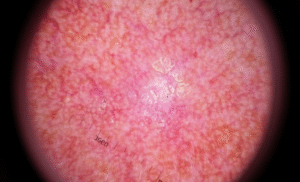
Microscopy of Skin on Her Chest
Below is what the skin of her forearm looks like with 20x microscopy. It’s less inflamed, but more pigmented, with brown blotches and wrinkling that merged together into one great big brown, unsightly piece of leather-looking skin!
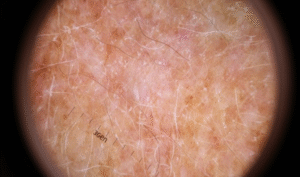
Microscopy of Skin on Her Forearm
Now, look at the difference in the area that hasn’t been exposed to a lot of sun. Notice how pink and healthy it looks, as opposed to the “dead-looking” skin above.
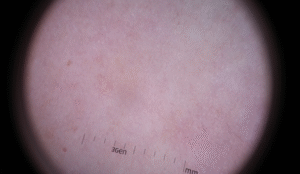
Microscopy of Her Skin – Inside Upper Arm
Minimal Sun Exposure – Same Patient as Above
A tan is bad news any way you get it, whether outside from sunlight, or inside from a tanning salon.
I’m sorry to tell you that if you have a tan or have tanned in the past, you already have some skin problems. But the good news is that there is a lot to improve your skin and prevent further damage, as I have described above.
There are many causes of skin damage; some you can avoid, some you can’t:
Leading Causes of Premature Skin Aging:
- Sun Exposure (Photoaging) – #1 Cause
- Smoking—Major Accelerator
- Environmental Pollution
- Poor Lifestyle Habits
- Inadequate Sleep
- Chronic Stress
- Poor Nutrition
- Repetitive Facial Expressions with Expression Line Formation
- Hormonal Changes
- Genetics (Intrinsic Aging)
- Chronic dehydration causes more obvious fine lines, more sensitive skin, and a dull appearance.
- Inadequate Skincare
- Poor sun protection – UV damage adds up from early childhood onwards
- Harsh cleansing – strips natural protective oils- especially common OTC soaps.
- Lack of moisturizing – which caused a damaged barrier function
- No active ingredients =missed opportunities for prevention/treatment
- Using too many of the wrong products and changing products frequently- remember it takes a month to start to see real changes. Too many strong creams or serums cause irritation and inflammation.
- Excessive exfoliation – damages skin barrier
- Inappropriate products – for skin type or concerns
Climate Extremes Can Have Major Effects on Your Skin:
- Dry air – dehydrates skin, compromises barrier
- Wind exposure causes mechanical damage and dehydration
- Extreme temperatures change skin blood flow
- Air conditioning/heating—reduces humidity à skin dryness.
I have had patients who worked near an air conditioning vent in an office, and the employer was too stingy to have it serviced. But when he realized that having half his staff off work every week with “the flu” was not good for his productivity, he finally got the air conditioning system cleaned.
The environmental assessment revealed that the air conditioner was releasing mold and harmful bacteria throughout the office. This was causing allergic reactions and recurrent bacterial infections.
Within a week, no one (well, the occasional person) was off work with a cold or flu- many workers also noticed their chronically inflamed skin improved dramatically.
So it’s worth considering getting and using an air filter at work, you will be protected from other people’s germs, and other pollution, and will feel so much better. Or have open windows- fresh air is much better for your skin ( provided your workplace is not too close to a busy road!.
The most effective ways to protect and rejuvenate your skin are regular sun protection, stress management, trying to avoid those causes of premature aging that I listed above, and starting an effective skin care regime early, in your 20s, rather than waiting until signs of aging or sun damage are starting to appear. Prevention is better than cure!
Please don’t feel overwhelmed by all the details- a regular skin routine can be as easy and natural as brushing your teeth, and it only takes about 5 minutes twice a day.
If you want to learn more about protecting your skin from solar damage, please take a look at my article, “The Sun and Your Skin.” There’s a lot of new information there that you may not be aware of.


Leave a Reply