The Sun And Your Skin
There are a lot of myths/ misunderstandings about sunscreens
SPF is not a measure of how long you can stay out of the sun when using a sunscreen compared to not using one.
SPF is actually a ratio of the amount of UV radiation that would cause sunburn with sunscreen, divided by the amount of UV radiation that would cause you to burn without using sunscreen.
What SPF Actually Means
SPF = Sun Protection Factor
- It measures protection against UVB rays (the burning rays)
- It’s NOT a timer – it’s a multiplication factor
The Math Behind SPF
| SPF Level | UVB Rays Blocked | UVB Rays That Get Through |
| SPF 15 | 93% | 7% (1/15th) |
| SPF 30 | 97% | 3% (1/30th) |
| SPF 50 | 98% | 2% (1/50th) |
| SPF 100 | 99% | 1% (1/100th) |
How Long You Can Stay Protected
Protection Time = Your Natural Burn Time × SPF
Example Calculations
| Skin Type | Natural Burn Time | With SPF 30 | With SPF 50 |
| Very Fair (Type I) | 5-10 minutes | 2.5-5 hours | 4-8 hours |
| Fair (Type II) | 10-20 minutes | 5-10 hours | 8-16 hours |
| Medium (Type III) | 20-30 minutes | 10-15 hours | 16-25 hours |
| Olive (Type IV) | 30-45 minutes | 15-22 hours | 25-37 hours |
Real-World Factors That Reduce Protection
| Factor | Impact | Solution |
| Sweating | Reduces protection by 25-50% | Reapply every 1-2 hours |
| Swimming | Washes off even “waterproof” formulas | Reapply immediately after |
| Towelling | Removes 85% of sunscreen | Reapply after drying off |
| Insufficient Application | Most people use only 25% needed | Use proper amounts (1/4 tsp for face) |
| UV Intensity | Stronger at midday, altitude, water | Seek shade 10am-4pm |
Real-World Reapplication Schedule
| Activity | Reapply Every | Why |
| Beach/Pool | 1-2 hours | Water, sweat, toweling |
| Daily Activities | 2-4 hours | Normal wear, touching face |
| Outdoor Sports | 1 hour | Heavy sweating |
| Hiking | 2 hours | Altitude increases UV |
| Office (by windows) | Morning application only | Minimal UV exposure |
SPF Myths vs Reality
| Myth | Reality |
| “SPF 100 is twice as good as SPF 50” | SPF 100 blocks 99% vs SPF 50’s 98% – minimal difference |
| “I can stay out twice as long with SPF 30 vs 15” | Only if conditions are perfect (they never are) |
| “Higher SPF lasts longer” | All SPF breaks down at the same rate |
| “I don’t need sunscreen on cloudy days” | 80% of UV rays penetrate clouds |
Many people don’t realize they can get burned on a cloudy day. And the amount of UV radiation that comes through is much less for very thick clouds- which can reduce the amount of sun penetration by over 90%, while thin or scattered clouds might have no effect at all.
Shade can offer various degrees of protection. One trial found that 25% of people using sunscreen got burned, while 78% of people using a beach umbrella did get burned. However, some trees provide good shade- a dense canopy tree like an oak provides about SPF 20 sun protection.
You only need to use sunscreen if the UV index is 3 or above. And if it’s the middle of winter and you’re spending most of the day inside, you don’t need to use sunscreen.
However, water and snow can cause UV light to reflect back onto your face, increasing sunburn-causing UV by over 60%. So UV is not related to temperature; you can get sunburned on a cold clear day, or a cloudy day.
The amount of UV radiation that reaches the earth is higher in the southern hemisphere, because the Earth’s rotation around the sun is not circular but in an elliptical orbit- meaning countries like Australia are closer to the sun in summer than countries in the northern hemisphere summer. That is why the rates of skin cancer and sun damage generally are much higher in Australia than in Europe.
Children need special attention regarding sunscreen and sun exposure. You should not apply sunscreen to an infant under 6 months age, because they may ingest the sunscreen by sucking on their skin. Please see below, detailed information about how to use sunscreen for your child.
Studies have shown that most of the sun damage that we see in adults’ skin, was caused by UV exposure in childhood. The most effective way to protect your child is by clothing, good hats (that also protect the neck ( a legionnaires type hat, for example), and sunscreen. But don’t depend on sunscreens, they are not 100% effective.
There is actually not a lot of difference between mineral and “chemical” sunscreens. Most of the effect of mineral-based sunscreens is still a chemical reaction in your skin.
The most important thing about sunscreens is not what type it is, but WHETHER YOU WILL USE IT!
So, whatever high SPF (40+) sunscreen you like, use that one- apart from spray-on sunscreens, which require a thick, even layer and rubbing in, similar to lotion, to achieve the stated SPF, and studies have shown that most people don’t spray the sunscreen thickly enough to be effective.
There is no evidence that regular sunscreen use reduces the production of Vitamin D in your skin.
Sunscreens work immediately; however, many manufacturers advise people to wait for 20 minutes or so before going outside. This time is what it takes for the sunscreen to dry to form a consistent protective film that’s less likely to smear, sweat off or wash off in water. And in fact, it only takes about 10 minutes for the film to form.
There are two main categories of sunscreens
Mineral (Physical) Sunscreens sit on your skin and block the penetration of the sun’s rays, including both UVA and UVB. They typically contain either zinc oxide or titanium dioxide as the main ingredient. They work from the moment you apply them. Recent studies have found that most of the effect of mineral sunscreens is due to a chemical reaction in your skin caused by sunlight; only a small amount of the UV radiation is actually reflected off your skin, as was previously thought to be the case.
Chemical Sunscreens use carbon-containing molecules to absorb light and employ a chemical process to convert UV rays into heat, which is then released from the skin.
The most common ingredients of chemical sunscreens made in the US are:
*Avobenzone which blocks UVA radiation
*Oxybenzone which has been shown to be absorbed from the skin into the body
*Octisalate- a common chemical in US based sunscreens
*Octocrylene which is also absorbed into the body
*Homosalate
Mineral sunscreens create a physical barrier between you and the sun; however, they tend to be thicker and can leave a white cast on the skin. Because they contain fewer chemicals, mineral-based sunscreens are recommended for individuals with sensitive or easily irritated skin. However, as I mentioned earlier, most of their effect is due to a chemical reaction in your skin.
Chemical sunscreens are lighter, don’t leave a white cast, and tend to need less frequent re-application. They are easier to apply; however, I don’t believe spray-on formulations are thick enough to be very effective, so I don’t recommend spray-on formulations.
Mineral-based sunscreens are theoretically safer as fewer chemicals are absorbed into your body.
Chemical Sunscreen Concerns
Ingredients to Be Cautious About:
| Chemical | Concerns | Found In |
| Oxybenzone | Hormone disruption, high absorption, coral damage | Many popular brands |
| Octinoxate | Hormone effects, coral bleaching | Common in cosmetics |
| Homosalate | Potential hormone disruption | Many formulations |
| Octocrylene | Can form benzophenone (carcinogen) over time | Waterproof formulas |
Safer Chemical Options
| Chemical | Safety Profile | Notes |
| Avobenzone | Better safety profile | Unstable without stabilizers |
| Zinc Oxide | Safest | Mineral – broad spectrum |
| Titanium Dioxide | Very Safe | Mineral – mainly UVB |
Studies by the FDA have found:
- Chemical sunscreens: Found in blood at levels above FDA safety threshold
- Mineral sunscreens: No detectable absorption into bloodstream
- FDA recommendation: More safety testing needed for chemical ingredients
Who Should Definitely Choose Mineral?
High Priority Groups
| Group | Why Mineral is Better |
| Pregnant women | No systemic (internal) absorption into the body |
| Babies/Children under 2 | Developing systems are more vulnerable. |
| Sensitive skin conditions | Less irritating, low allergy risk |
| Daily face use | Less likely to cause acne/ breakouts |
| Coral reef areas | Environmental protection |
There has been concern that some sunscreens may be bad for coral reefs. As a result, some products have been made to ensure they do not damage coral reefs if you wear them, because some of the sunscreen gets into the water above the reefs while you are swimming. Here are some “reef safe” sunscreens.
*Badger Reef Safe Sunscreen SPF 40 Sport Mineral Sunscreen OR
*The Little Urchin range of reef-safe sunscreens.
Sunscreens for Sensitive Skin
*La Roche-Posay Anthelios Mineral Ultra-Light Face Sunscreen SPF 50 – This is a mineral-based sunscreen that contains both zinc oxide and titanium dioxide, with baicalin and selenium, which are both strong antioxidants that provide extra anti-inflammatory and protective effects.
It may leave a mild white cast; however, the tinted version provides a more natural look, sometimes eliminating the need for foundation.
*Go-To Nifty Fifty Mineral SPF 50 – Is good for people with sensitive skin, contains multiple antioxidants as well as zinc oxide, but doesn’t leave a white mask
Sunscreens for Oily Skin
Mineral Sunscreen
*LA ROCHE-POSAY Anthelios XL Anti-Shine Dry Touch Facial Sunscreen SPF50+ – Listed as the best mineral sunscreen for oily skin.
Chemical Sunscreen
*Paula’s Choice Extra Care Non-Greasy Sunscreen SPF
This is a good choice if you have oily skin. It contains a combination of both physical and chemical UV blockers
Sunscreens for Normal Skin
Mineral Sunscreen
*Isdin Eryfotona Actinica Mineral SPF 50+ Sunscreen -has a lightweight texture, making it suitable for normal skin. It is a good choice if you have sensitive skin or a tendency to acne or rosacea. It provides strong protection and is water-resistant. It also contains protective and healing anti-oxidants, which repair sun damaged skin. It can leave a white cast, especially if you have a darker skin type,
*ISDIN Eryfotona Actinica Mineral SPF 50+ Sunscreen is generally well-regarded, particularly for its mineral-based formula and lightweight texture. It is often recommended for sensitive, dry, and acne-prone skin due to its ability to blend in without leaving a white cast, and its non-greasy finish. Some users also comment that is goes well under makeup, and its suitability for use in winter.
Yes you often need sunscreen in winter, especially if there is snow or water nearby- solar radiation is reflected back onto your face. Some of the worst sunburn I have seen was in a skier who spent all day snowboarding and because the sky was overcast, he didn’t use any sunscreen.
It contains alcohol and fragrance, so it is not suitable for people with sensitive skin. This sunscreen is a bit more expensive than average, at approximately $50 for a 50 ml bottle.
Other Good Sunscreens to Consider:
*Cetaphil Sun SPF 50+ Ultra Light Lotion is suitable for very sensitive or oily skin and is oil-free, non-comedogenic.
*La Roche-Posay Anthelios XL Wet Skin Sunscreen SPF 50+ is a non greasy formulation suitable for all skin types; it provides high broad-spectrum protection.
A recent Australian study by consumer advocacy group CHOICE found many sunscreens claiming to be SPF 50 were in fact lower ie not as effective.
The ones that did pass testing were:
*Mecca Cosmetica to Save Body Hydrating Sunscreen with aloe vera and vitamin E has an SPF of 51.
*Australian Cancer Council Kids Sunscreen has an SPF of 52
* La Roche-Posay Anthelios Wet Skin Sunscreen has an SPF of 72– contains Vitamin C and Vitamin E, and is effective for 4 hours, even in water.
So the clear winner here is the last one- La Roche-Posay Wet Skin Sunscreen.
This is not to say that others I recommend are not effective, but if you want to be sure of good sun protection, then you should consider the one with the highest SPF, as shown by unbiased studies.
Sunscreen Application Guidelines
Amount Needed (Adults)
| Body Area | Amount | Visual Reference |
| Face & Neck | 1/4 teaspoon (1.25ml) | Size of a nickel coin |
| Face Only | 1/8 teaspoon (0.6ml) | Size of a dime |
| Each Arm | 1/2 teaspoon | Length of your index finger |
| Each Leg | 1 teaspoon | Two finger lengths |
| Torso (front) | 1 teaspoon | Two finger lengths |
| Back | 1 teaspoon | Two finger lengths |
| Entire Body | 1 ounce (30ml) | Shot glass full |
The “Two-Finger Rule”
- Squeeze sunscreen along the length of your index and middle fingers.
- This equals approximately 1/4 teaspoon – perfect for face and neck
Application Tips
Timing
- Reapply every 2 hours
- Reapply immediately after:
- Swimming
- Sweating
- Toweling off
Technique
- Don’t rub in completely– you want a visible layer initially
- Apply in sections– forehead, cheeks, nose, chin, neck
- Don’t forget:
- Ears
- Eyelids
- Lips (use SPF lip balm)
- Hairline
- Back and sides of neck
- Front of chest- especially women
Sunscreen Application for Children
Children’s skin is thinner than adults and more easily damaged by UV radiation, so good protection is crucial to avoid major problems with skin damage as adults, including premature aging, and skin cancers.
| Age | Face & Neck | Body Areas | Total Body | Notes |
| 6 months – 2 years | 1/8 teaspoon | Reduce adult amounts by 50% | 1/2 ounce (15ml) | Shade & clothing preferred |
| 2-5 years | 1/6 teaspoon | Reduce adult amounts by 25% | 3/4 ounce (22ml) | Use kid-friendly formulas |
| 6-12 years | 1/4 teaspoon | Same as adult amounts | 1 ounce (30ml) | Teach self-application |
| 13+ years | 1/4 teaspoon | Full adult amounts | 1 ounce (30ml) | Adult guidelines apply |
Toddlers (1-3 years)
| Body Part | Amount | Tip |
| Face | Size of a small pea | Avoid eye area, use gentle formulas |
| Each arm | 1/4 teaspoon | Make it fun – let them help |
| Each leg | 1/2 teaspoon | Apply in sections |
| Torso | 1/2 teaspoon front & back | Don’t forget under arms |
School Age (4-12 years)
| Body Part | Amount | Teaching Moment |
| Face & neck | 1/4 teaspoon | Show them the “nickel size” |
| Arms | 1/2 teaspoon each | “Paint your arms white first” |
| Legs | 3/4 teaspoon each | Include tops of feet |
| Torso | 3/4 teaspoon each side | Don’t miss shoulders & back |
Sunscreen Use-Recommendations for Children
Under 6 Months
- Sunscreen NOT recommended for babies under 6 months
- Use instead:
- Shade
- Protective clothing
- Wide-brimmed hats
- Stroller canopies
Application Tips
Toddlers (6 months – 3 years)
- Apply 15 minutes before going outside
- Use mineral sunscreens (zinc oxide/titanium dioxide)
- Reapply every hour (they get messier faster!)
- Make it a game – “sunscreen painting time”
Preschoolers (3-5 years)
- Let them help apply to arms and legs
- Use colorful or fun-scented kid formulas
- Sing a song during application (ensures you take enough time)
- Check their work and fill in missed spots
School Age (6-12 years)
- Teach proper amounts using visual guides
- Practice together until they can do it independently
- Send extra sunscreen to school/camp with instructions
- Make it routine – like brushing teeth
Child-Friendly Product Recommendations
| Age Group | Best Formulas | Recommended Brands |
| 6 months – 2 years | Mineral, fragrance-free | Blue Lizard Baby, Cetaphil Baby |
| 2-6 years | Mineral, tear-free | Neutrogena Pure & Free Baby, Aveeno Baby |
| 6+ years | Mineral or chemical, water-resistant | Coppertone Kids, Banana Boat Kids |
Reapplication Schedule
- Every 1-2 hours (more frequently than adults)
- Immediately after:
- Swimming
- Running through sprinklers
- Heavy sweating/playing
- Toweling off
Don’t Forget These Spots!
- Ears (especially tops)
- Feet (including between toes)
- Back of neck
- Under chin
- Eyelids (use gentle formula)
- Lips (SPF lip balm)
Remember: Children’s skin burns faster than adult skin, so be generous with application and frequent with reapplication!
THE SUN AND YOUR SKIN
UVA and UVB are two types of ultraviolet radiation that can affect your skin.

UVA penetrates the skin deeper than UVB. It’s a major cause of skin aging and wrinkling (photo-aging) as well as skin cancers, including malignant melanoma.

Over-exposure to solar radiation causes:
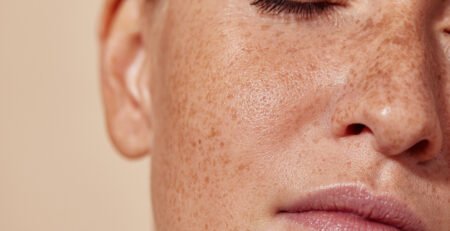
Excessive pigmentation: The most noticeable sun-induced pigment changes are freckles or blotches (aka: solar lentigos).
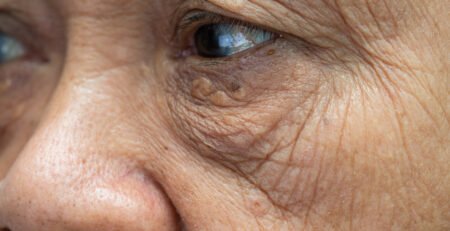
Changes in texture, like thickening and thinning of the skin. Thick skin is found in coarse wrinkles, especially on the back of the neck in men who have spent a lot of their life outside, often without a broad-brimmed hat (cowboys obviously know something many people don’t). Chronic sun damage on the arms and hands causes thinning of the skin, as you see in older people with bruised, blemished skin.
Changes in blood vessels: The walls of blood vessels become thinner, which leads to bruising with only minor trauma in sun-exposed areas. Tiny blood vessels (capillaries) become prominent, especially on the nose, cheeks, chin, and chest.
Moles: An increased number of moles appear in sun-exposed areas.
Skin cancers like basal-cell cancer, squamous-cell cancer, and the most dangerous of all, melanoma.
Since UVA passes through glass, consider adding tinted UV-protective film to your car’s side and rear windows, as well as to your house and business/office windows. This film blocks up to 99.9% of UV radiation and lets in up to 80% of visible light.
High-pressure sunlamps used in tanning salons produce doses of UVA as much as 12 times that of the sun. People who go to tanning salons are two to three times more likely to develop skin cancer than those who don’t. That alone isn’t worth the price to your pocketbook or your skin! Tanning beds and solariums have been banned in Australia since 2015 however I believe they are still legal in the US – with strong safety warnings.
UVB is the chief cause of skin reddening and sunburn. and tends to damage the skin’s top layers. The most significant amount of UVB hits the earth between 10:00 a.m. and 4:00 p.m. during the spring and summer months.
The UV Index
The UV Index (developed by Canadian scientists to indicate the amount of solar radiation a person is likely to receive outdoors) is a measure of the intensity of sunlight reaching the Earth’s surface.
It includes the cloud cover as well as the amount of ozone in the atmosphere (which reduces the amount of solar radiation passing through). The UV Index is highest around midday.
Due to ozone depletion, countries like southern Australia and New Zealand have some of the highest UV levels in the world. I frequently see patients who’ve relocated from northern Australia to Tasmania “for the cooler climate” getting sunburned in temperatures that wouldn’t cause sunburn where they previously lived. In fact, some of the worst sunburns occur on cooler days because people think they don’t need protection.
Burn or Tan? Determining Your Skin Type
The Fitzpatrick skin type classification below depends on the amount of melanin pigment in the skin, eyes, and hair. Of course, this is related to genetic/racial color, and the amount of exposure to solar radiation, whether intentional or accidental. This is not the same classification system as the Dry/ Normal/ Sensitive/Oily/ Combined skin types which are determined by how the skin behaves and feels to you, whereas the Fitzpatrick system is based on skin color.
The more that solar rays hit your skin, the more melanin your skin cells (melanocytes) produce and transfer to the keratinocytes to block solar rays from damaging a cell’s nucleus.
Try to find your skin type on the chart below. Knowing your skin type helps you to know how much solar exposure is safe for you.
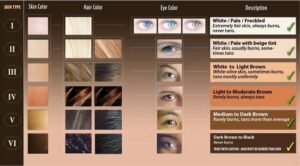
Your skin type assists in determining the treatment your skin needs, as well as the best cosmetics to use. For example, people with darker skin are more likely to develop hyperpigmentation (extra pigment) during the healing phase after facial peeling, dermabrasion, IPL, and laser treatments.
The skin type and UV Index is used to calculate your “sunburn time”:
Skin Type 1: Burn time = 67 minutes divided by the UV Index
The average UV Index in Southern Australia and the Southern United States is about 12 in peak summer, which means a fair-skinned person can safely stay out in the sun mid-summer for 67 ÷ 12, which equals only a bit over five minutes before becoming burned, unless they’re wearing sunscreen.
Skin Type 2: Burn time = 100 minutes ÷ 12 = 9 minutes
Skin Type 3: Burn time = 200 minutes ÷ 12 = 16 minutes
Skin Type 4: Burn time = 300 minutes ÷ 12 = 25 minutes
However, if you use a sunscreen with SPF 30, you can stay out in the sun without getting burned for 30 times longer than if you weren’t wearing sunscreen. So, for a Type 1 person, their time in the sun would be 30 x 5 = 150 minutes, or a bit over two hours.
The duration of protection of a sunscreen depends not only on its SPF rating. But also, very much on what you’re doing while out in the sun. If you’re exercising and sweating heavily, then you should presume the sunscreen only lasts half the time it would if you were lying on the beach or by a swimming pool.
The same goes for water. Even “water resistant” sunscreens can get washed off by water, as well as being brushed off by sand and towels.
And don’t forget about infrared radiation (IR-A). Many, but not all, people (for reasons not yet fully understood) are prone to skin damage from IR-A, which isn’t prevented by using the usual sunscreens. I discuss this further in the section about ultraviolet and infrared radiation below.
Sunburns Through Glass
Most glass used for windows in offices or vehicles blocks UVB but not UVA. This means that although protective glass might reduce the risk of sunburn, it doesn’t prevent long-term damage from UVA. If you’re driving long distances. or sitting in your office every day for long periods, you need to make sure you’re using adequate sun protection.
Because the front windshield of a car is made of laminated glass, it blocks most of the sun’s rays. In Australia, a lot of older men who have been driving for many years seem to have more damage on the right sides of their face and forearms because the driver’s seat is on the right side of the vehicle.
Freckles and Blotches Are Signs of Skin Damage
There’s some confusion between freckles (that I talk about in several places) and blotches.
Though freckles and brown blotches aren’t the same as a tan, they’re both caused by too much sun. Freckles are caused by melanin in keratinocytes (skin cells) at the top layer of the epidermis. Darker “moles” (aka: solar lentigos) are formed by nests of melanin-containing cells in the bottom layer of the epidermis. Some people call these darker moles “blotches.”
“Liver spots” (solar lentigos that have nothing to do with the liver) are caused by excessive sunlight exposure.

When your skin is exposed to too much sun, the pigment granules of melanin are passed to various cells – not just the keratinocytes that flake off – that remain deep in your skin. Therefore, deep tans and blotches (solar lentigos) remain much longer than simple freckles or light tans.
NOTE: In other chapters/ articles I have discussed new skin care products that can significantly reduce and protect your skin from freckles, age spots, and other types of hyperpigmentation.
So, that cute redhead (maybe you, one of your children, or a childhood friend) with freckles dappled across her nose and cheeks already has sun-damaged skin.

Fitzpatrick Type 1 Skin: Red hair and freckles.
Cute now, but already sun damaged.
Their skin might look lovely while they’re younger. But after a few years of too much sun (remember – the California Coast isn’t the same as the Highlands of Wales or Scotland), the damage will begin to show.
Freckles come and go, but solar lentigos tend to be permanent. They can only be removed by laser treatments, or by the skin lightening products I’ll be discussing.
Good or Deadly? Ultraviolet and Infrared Radiation

You might wonder why you use sunscreen and still get burned. Unfortunately, there’s another light on the horizon (or rather, another form of radiation) that until recently has been overlooked: infrared (IR) radiation.
Sunlight is composed of ultraviolet light (7%) and visible light (38%). But infrared light, at 54%, represents the most important fraction.
The penetration of UV and visible light is reduced by broad spectrum sunscreens and melanin. However, IR rays can pass right through to the deepest layers of the skin, as shown in the diagram above.
Everyone needs some exposure to solar radiation. But unfortunately, many people get too much.
How Infrared Rays Can Affect Your Skin
The damaging effects of IR radiation didn’t receive much attention… until recently. IR rays cause heat in the skin, sometimes over 40 degrees Centigrade (104 Fahrenheit).
Studies reviewed by the World Journal of Dermatology demonstrated that normal exposure to IR rays stimulates the production of collagen and elastin, which is good.
But excessive IR exposure can cause skin changes like those caused by UV radiation, namely inflammation, premature aging, and even skin cancer.
This may surprise you: IR rays don’t come just from the sun, but from anything that produces heat. The hotter the material, the more infrared radiation it produces. The heat you feel when you are exposed to sunlight is due to infrared radiation.
Sunscreens aren’t the full answer to sun protection for the skin, which is why I see many patients in their 30s and 40s who pile on sunscreen and still get burned. I think this is one of the reasons why the number of people developing skin cancer is still increasing.
Harmful Rays that Don’t Come from the Sun
When this welder/ship builder came to see me for a general skin check-up, I noticed his severely damaged facial skin. The dark pigmented spots on his right shoulder looked different than normal solar-induced changes to skin. The rest of his skin looked normal, unlike someone who spent a great deal of time outdoors in sunlight.
After his visit, I saw his wife who confirmed that he’d often come home from a day’s work “with his face as red as a beetroot”.

Side view reveals pock marks/ small scars (probably welding burns) and excessive hyperpigmentation

Dermatoscopy 20x magnification of his cheek revealed scars and hyperpigmentation
He spends a good portion of his workday near his mates who weld aluminium, and he occasionally welds as well. Because welding light contains both ultraviolet and infrared radiation, his skin has taken a fair beating over the years. And he doesn’t always wear protective clothing when at work.
A study from the Medical Journal of Australia concluded:
“Arc welding produces the full spectrum of ultraviolet radiation (UVR). It is possible that welders are at greater risk of developing skin cancer than the general population, but there is a dearth of well-designed studies in this area. The only major study of the relationship between arc welding and skin cancer risk did not reveal an increased incidence of skin cancer in welders. As the welders examined were all well protected and the length-of-exposure period was limited, the findings cannot be generalized to all welders. Studies have demonstrated that welding increases the risk of ocular melanoma (in the eye). Just as we urge the public to protect themselves from UVR, we need to consider similar advice for arc welders.”
In addition to wearing sunscreen every day he goes to work, welds, or is outside, I also suggested using an antioxidant cream to protect his skin.
The message here is not all skin damage is sun related. If you’re frequently exposed to arc welding light, you risk of skin damage and skin cancers, especially ocular melanoma is higher than the average person.
An Experiment
I would like you to do a little experiment- have a look at the skin on the inside of your upper arm, or forearm, and compare it to the skin on the outside of your forearm, or your face. Notice the difference? Why the difference?
See the photos of the two women below. They don’t look the same age, but they are.
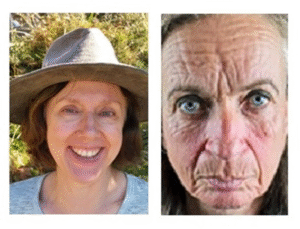
The woman wearing the hat looks years younger because she…
* Has minimal solar damage as she grew up in northern Europe.
* Has rosacea and so has to avoid solar exposure; she uses a SPF 50 sunscreen 2-3 times a day if the UV index is above 3.
* Has never smoked.
* Takes quick showers (maximum five minutes) in comfortably warm but not hot water once per day.
* Uses a formulated cleanser, not soap, to wash with.
* Uses Cetaphil Moisturizing Lotion in the evening (this is not as effective for skin rejuvenation as the moisturizers I am recommending, but it’s sufficient for her relatively healthy undamaged skin.)
* Doesn’t consume much alcohol (maybe one glass of wine per week).
*Drinks a lot of water, which keeps her skin hydrated.
So the message here is that prevention is better than treatment after the damage has been done. But there are lots of things you can do even if you already have some concerns about your skin, like blemishes or wrinkles.
Diet is important; we all know the vitamins contained in fresh fruit and vegetables are crucial for our skin’s health. Orange and yellow fruits and vegetables are high in Vitamin A- such as pumpkins, sweet potatoes, oranges and mangoes.
Sugar and corn syrup destroy collagen in your skin, and much of the appearance of aging is loss of collagen. You can save a significant amount on skin care by simply avoiding added sweeteners, as well as refraining from smoking and drinking alcohol.
Getting back to your little experiment…. did you notice how different the skin looked on the inside of your arm (where you don’t get much sun exposure) compared to the outside of your arm? Yes, as experiments have shown, at least 80% of skin aging is not due to being older.
It’s due to long-term solar radiation exposure.
The number one thing you can do to prevent skin aging is to protect it from further exposure to excess solar radiation.
I recommend an SPF 50 mineral sunscreen with niacinamide and/or other antioxidants, which also reduces inflammation and pigmentation. In fact as the latest studies have shown, a mineral or chemical sunscreen is fine, as long as you use it!
If you are going to be outside you should not have unprotected solar exposure for more than 15 minutes a day if the UV index is above 3, and this includes driving.
Most weather reports include the predicted UV index for the day. You should seek shady, not sunny locations, and wear suitable clothing- long-sleeved shirts and a wide-brimmed hat.
If you have had skin cancers or family members have had skin cancers, especially melanoma or basal cell carcinoma, then an effective sunscreen is essential, or if you want to protect your or your children’s youthful skin for years to come.
And remember, any sunscreen, even if it claims to be SPF 50, needs to be reapplied at least every 2 hours.
Most people don’t apply sunscreen thickly enough. Adults should apply at least one teaspoonful for each limb (including the back of your hand and outside of your forearm), one for the front and back of the torso, and one teaspoon to cover your face, neck (including the sides of your neck), and front of your chest.
Sunscreens are safe to use on children over six months age.
Most people’s sun-induced skin damage, even though it might not be apparent until their 50s, is caused in early childhood, especially before age of 8.
I have seen patients’ skin improve dramatically, even in older people in their 70s, by just reducing their sun exposure. And by using a good sunscreen regularly, there was even more improvement. Our skin has an amazing ability to heal itself, given half a chance.
Ultraviolet radiation passes through glass. That’s why a lot of people have dark freckles on the back of their hands (“liver spots”- although they’ve got nothing to do with liver disease, I don’t know where that saying came from). This is caused by sunlight on the back of their hands while driving. I call them “steering wheel spots”.
Most sunscreens are not 100% effective, meaning you shouldn’t just depend on sunscreens for protection. In fact, they can cause a false sense of protection: “ I put sunscreen on this morning so I can go out in the sun all day without a hat and wearing a T-shirt or singlet.” The sunscreen will have stopped working after a few hours so that you will get burned by the afternoon sun.
Intense UV radiation can penetrate thin clothing, such as T-shirts or thin blouses, more so if they are wet.


Leave a Reply