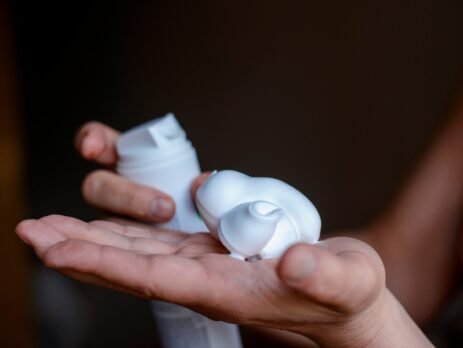
Moisturizers
The Best Moisturizers for Every Skin Type
Why Do You Need To Use a Moisturizers?
- Even if you’re younger (under 30) you should still use a moisturizer at least once a day. Your skin at 40 is affected by what you do in your 20s. A simple twice-daily moisturizer is the easiest and most cost-effective way to ensure your skin stays young and healthy for much longer. What will it do for you?
- Keeps your skin hydrated
- Strengthens your skin’s barrier layer, which increases your skin’s ability to deal with external damage from sun,wind, dry air, pollution and infections.
- Maintains a healthy pH for optimum skin health
- Improves skin healing mechanisms
- The products you’re using may be irritating your skin, so the application of a moisturizer helps soothe dryness and inflammation.
- During your morning shower, hot, soapy water washes away essential oils from your skin. Moisturizers replace some of this lost “moisture” (fats and water).
- Older skin contains less water and oil, especially after menopause.
- Sometimes using a moisturizer can be a bad thing. I’ve seen many patients use expensive perfumed moisturizers that irritate their skin, which in the long term caused chronically irritated, dry, damaged skin.
Moisturizers are mixtures of chemical agents designed to make the external layers of the skin (epidermis) softer and more elastic. There are two main types of moisturizers: humectants and emollients.
Humectants attract water. Some absorb water from the air. But in low humidity environments, they pull water from the deeper layers of the skin up towards the surface of the skin where the water evaporates.
So, these kinds of moisturizers can, in fact, have the opposite effect to what is intended: in dry environments, they can make the skin even drier.
Humectant moisturizers include glycerin, hyaluronic acid, honey, lactic acid, coconut oil, and sorbitol triolate.
Emollients form a thin coating on the surface of the skin. This keeps water in the skin by reducing evaporation. Emollients occur naturally as part of the skin’s barrier, as well as in compounds such as Shea butter, avocado oil, evening primrose oil, linseed oil, and jojoba oil. They’re all similar to your skin’s natural fats in that they coat your skin, which prevents water loss.
Sebum is also a natural skin emollient. It’s a mixture of fats produced by your sebaceous glands that keep your skin and hair moisturized. These fats—ceramides, cholesterol, and triglycerides – can all be dramatically reduced by excessive washing of your skin.
You need to be careful even with gentle moisturizers. Using them too often can damage the acid mantle by affecting the natural balance of bacteria on your skin’s surface.
Moisturizers for Oily Skin
If you have oily skin, you might be thinking Why do I need a moisturizer? My skin’s oily enough? (or even too oily)-
This is what can happen:
- Harsh cleansing strips the skin of natural moisture
- The skin becomes dehydrated and irritated
- In response, the skin produces more oil to compensate
- This leads to more aggressive cleansing and continued moisturizer avoidance
- The cycle continues and gets worse
What to look for: Lightweight, oil-free formulas that won’t clog pores
Ingredients that You Need: Niacinamide, hyaluronic acid, salicylic acid
Top picks:
- Neutrogena Oil-Free Moisture Gel: This has been a drugstore hero for decades, and for good reason. It’s like a tall glass of water for your skin without any greasy residue.
- The Ordinary Natural Moisturizing Factors + HA: At under $10, this formula delivers affordable hydration .
- Clinique Dramatically Different Moisturizing Gel: A bit more expensive at $37-$45, but very popular.
Moisturizers for Dry Skin
Dry skin needs constant hydration and tends to feel tight, especially after cleansing. If you’ve ever felt like your skin could double as sandpaper, this is your category.
What to look for: Rich, creamy formulas with humectants and occlusives
Ingredients that are your friends: Ceramides, glycerin, shea butter, petrolatum
Top picks:
- CeraVe Daily Moisturizing Lotion: Dermatologists recommend this frequently; it’s an effective, low-cost option with ceramides that help repair your skin barrier.
- Vanicream Moisturizing Cream: Very effective for sensitive, dry skin. No fragrances, no dyes, so unlikely to irritate.
- Drunk Elephant Lala Retro Whipped Cream: Yes, it’s expensive, but if you’re dealing with seriously parched skin, this may be the answer. It costs about $80 for 15 ml, but a little bit goes a long way.
Combination Skin- the Confusing Type
Oily T-zone, dry cheeks, and somehow both breaking out AND flaking at the same time. It’s like your face is bipolar.
What to look for: Balanced formulas that hydrate without over-moisturizing oily areas
A Suggestion: You might need two different products – a lighter gel for your T-zone and a creamier formula for your cheeks
Top moisturizer picks for Combination Skin:
- Olay Regenerist Micro-Sculpting Cream: This affordable multitasker works well for the varying needs of combination skin
- Kiehl’s Ultra Facial Cream: An old favourite that adapts to your skin’s needs. It’s like the chameleon of moisturizers.
- Tatcha The Water Cream: Lightweight but deeply hydrating, this gel-cream hybrid is perfect for skin that can’t decide what it wants.
Sensitive Skin
If you’ve ever broken out in a rash from trying a new moisturizer, or if your skin turns red at the slightest provocation, you’re in the sensitive skin category.
What to look for: Fragrance-free, low-allergy formulas with minimal ingredients
You should avoid: Fragrances, essential oils (especially citrus, like limonene) and harsh preservatives
Top picks:
- La Roche-Posay Toleriane Double Repair Face Moisturizer: Specifically formulated for sensitive skin
- Aveeno Ultra-Calming Daily Moisturizer: Contains feverfew, which has strong anti-inflammatory effects.
- First Aid Beauty Ultra Repair Cream: Originally created for eczema, this is gentle enough for the most reactive skin types.
When Your Skin Has Extra Needs
Acne-Prone Skin
Having acne-prone skin doesn’t mean you should skip using a moisturizer. Your skin needs hydration to heal and function properly.
Look for: Non-comedogenic formulas with acne-fighting ingredients
Top pick: Paula’s Choice CALM Restoring Moisturizer – it hydrates while helping to reduce inflammation.
Please have a look at my article, The Latest Treatments for People Suffering from Acne, for advice about other recommended treatments and products to use.
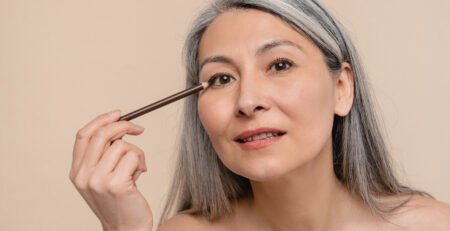
Aging Skin
As we age, our skin needs extra support.
Look for: Ingredients like retinol, peptides, and antioxidants
Top pick: RoC Retinol Correxion Deep Wrinkle Night Cream –check out my separate article about Retinoids, they are basically the number 1 choice for anti- aging benefits.
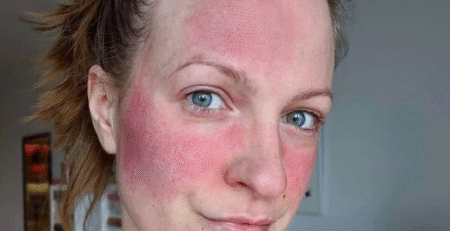
Rosacea = Sensitive Skin
Rosacea-prone skin needs extra gentle care and ingredients that won’t trigger flare-ups. I have written a detailed article about Rosacea.
Look for: Calming ingredients like niacinamide, and avoid potential triggers
Top pick: Cetaphil Redness Relieving Daily Facial Moisturizer – specifically designed for reactive, red-prone skin.
Important Application Tips
You should use a moisturizer at least twice a day, and more often (3-4x a day) when:
-You are experiencing a lot of stress (physical or emotional).
-You are travelling, especially overseas- the air in an aeroplane is very dry.
-There are seasonal changes- you will need to use moisturizer more in cold or dry climates.
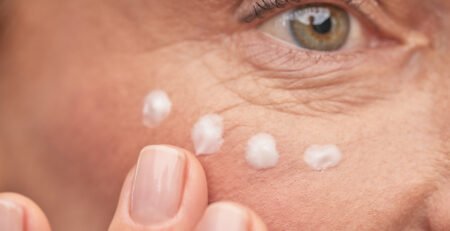
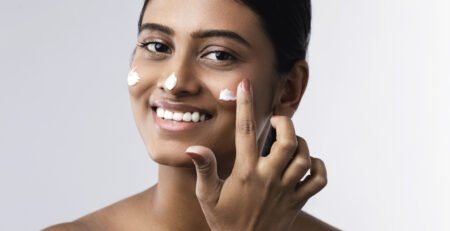
Less is often enough: You don’t need to slather on a thick layer of moisturizer. A pea-sized amount is usually enough for your entire face.
Timing matters: Apply moisturizer to slightly damp skin to lock in extra hydration.
Don’t forget your neck: Your face doesn’t end at your jawline, and neither should your skincare routine. The sides of your neck and the top of the front of your chest have often not had enough ( or any) sunscreen, and need extra moisturizer.
I see so many women in their 50s with severe solar damage on their necks and the front of their chest. It is often seen best in photos, it’s difficult to see these areas in the mirror, especially the sides of the neck.
Just Google Poikiloderma de Civatte and you will see what I mean.
Give it time: Your skin needs at least 2-4 weeks to adjust to a new product. Don’t give up after three days.
Patch test everything: Test any new cream or other product you intend to use by applying a 1 x 1 inch patch to the inside of your upper arm and check for any irritation/ reaction, if your skin does react then try again in a week, you can dilute the product with a bland moisturizer like aveeno or ceraVe moisturizing cream.
Usually, with gradual introduction, your skin will tolerate the product. But for some people, they just have to try something else.
And remember, allergic reactions don’t always happen immediately, they can occur weeks or even months after you started using the product.
Final Tips
Don’t get discouraged if the first moisturizer you try doesn’t suit you. Sometimes it takes a little experimentation to find what makes your skin happy.
Your skin’s needs can change with the seasons, your age, hormones, stress levels, and many other factors. What worked in your 20s might not work in your 30s, and that’s not unusual.
The most important thing is to be aware of what your skin is telling you- whether it’s happy, irritated, sensitive, angry- sounds like some people I know.
And be patient with the process. Your future self (and your skin) will thank you for taking the time to find and use the right moisturizer.




Leave a Reply