Facial Masks
Complete Guide to Skincare Facial Masks
What Are Skincare Masks?
Masks are another way of applying active ingredients to your skin, in stronger concentrations than daily treatments.
Here is some General Advice about how to use Masks as part of your skincare regime:
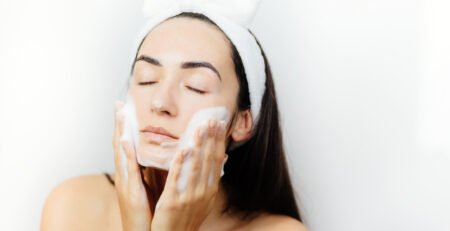
*Cleanse face thoroughly
*Exfoliate gently (if not using an exfoliating mask)
*Apply mask evenly, avoiding the eye area
*Follow timing instructions (usually 10-20 minutes)
*Remove according to mask type
*Follow up with toner, serum, moisturizer
The Important Ingredients Your Mask Should Contain:
If you have oily skin:
- Salicylic acid, bentonite clay, charcoal, tea tree oil
If you have dry skin:
- Hyaluronic acid, ceramides, squalane, glycerin
If you have aged and/or sun damaged skin:
- Retinol, peptides, vitamin C, niacinamide
If you have sensitive skin
- Aloe vera, chamomile, oatmeal, centella asiatica
If you want to treat hyperpigmentation:
- Vitamin C, kojic acid, arbutin, licorice root
Types of Skincare Masks
Clay Masks
These masks remove impurities and absorb excess oil.
They are an excellent treatment for oily, acne-prone, congested skin
Main ingredients are Bentonite, kaolin, or French green clay
Recommended frequency of use: 1-2x per week
Examples of recommended clay masks:
Origins Clear Improvement –> Deep pore cleansing, contain bamboo charcoal $$
Aztec Secret Indian Healing Clay –> strong oil absorption, affordable $
Drunk Elephant Umbra Tinte: A gentle clay with antioxidants for strong anti-aging and photoprotection (from sunlight /UV damage), more expensive $$$
The Ordinary Salicylic Acid 2% Masque Clay + BHA-good for acne $
How to Use Clay Masks:
Apply thick, even layer
Leave until almost dry (10-15 minutes)
Remove with warm, damp cloth
Follow with hydrating products
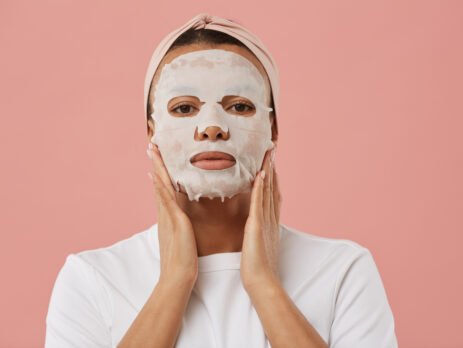
Sheet Masks
These come as pre-soaked fabric masks with concentrated serums.
Best For: All skin types, hydration, convenience
Key Ingredients: Hyaluronic acid, niacinamide, vitamin C
Frequency: 1-3x per week
Recommended sheet masks:
SK-II Facial Treatment Mask–> strong hydration, anti-aging effects $$$$
The Face Shop Real Nature Masks has a variety of ingredients, affordable $
Dr. Jart+ Dermask Targeted treatments (hydration, firming) $$
Mediheal N.M.F Intensive Hydrating Mask –> Deep hydration, good for sensitive skin $$
How to Use Sheet Masks:
Unfold carefully and apply to clean face
Smooth out air bubbles
Leave for 15-20 minutes
Remove and pat remaining essence into skin
No need to rinse
Hydrating/Moisturizing Masks
These masks provide strong moisturizing and barrier repair.
Best For: Dry, dehydrated, mature/ aged skin
Key Ingredients: Hyaluronic acid, ceramides, glycerin
Frequency: 2-3x per week
Recommended moisturizing masks:
Laneige Water Sleeping Mask Overnight hydration boost $$
The Ordinary Hyaluronic Acid 2% + B5 Intense hydration, budget-friendly $
Tatcha Dewy Skin Cream Luxury hydration with Japanese botanicals-expensive $$$$
CeraVe Hydrating Hyaluronic Acid Mask Gentle, dermatologist-recommended $$
How to Use Hydrating Masks:
Apply generous layer
Can be left on longer (20-30 minutes)
Some can be left overnight (sleeping masks)
Gently massage any remaining product into skin
Exfoliating Masks
These remove dead skin cells and increase cell turnover.
Best For: dull aged uneven skin
Key Ingredients: AHAs, BHAs, enzymes
Frequency: 1x per week (beginners), 2x per week (advanced)
Recommended exfoliating masks:
The Ordinary AHA 30% + BHA 2% Peeling Solution Professional-strength at home $
Sunday Riley Good Genes Glycolic Acid Treatment Provides gentle daily exfoliation $$$
Peter Thomas Roth Un-Wrinkle Turbo Face Mask Anti-aging with multiple acids $$$
Freeman Charcoal & Black Sugar–> Physical + chemical exfoliation $
How to use exfoliating masks:
- Apply a thin, even layer
- Start with 5-10 minutes for beginners
- Remove with cool water
- Always follow with moisturizer and SPF next day
Brightening Masks
These masks are a great option if you are concerned about hyperpigmentation and dullness.
Best For: Dark spots, uneven skin tone, dullness
Key Ingredients: Vitamin C, kojic acid, arbutin, niacinamide
Frequency: 2-3x per week
Recommended Brightening Masks:
Olay Regenerist Micro-Sculpting Cream Mask Brightening with amino-peptides $$
The INKEY List Vitamin C and EGF Mask Vitamin C + growth factors $$
Kiehl’s Turmeric & Cranberry Seed Mask Contains natural anti-inflammatory brightening ingredients $$$
Garnier SkinActive Brightening Face Mask Vitamin C, budget-friendly $
Anti-Aging Masks
These masks contain strong anti- aging ingredients aimed at treating fine lines, while improving your skin’s firmness, thickness and elasticity.
Best For: Mature skin, protection, rejuvenating
Key Ingredients: Retinol, peptides, collagen, antioxidants
Frequency: 1-2x per week
Recommended Anti-Aging Masks
Olay Regenerist Micro-Sculpting Cream–> Firming and smoothing $$
No7 Protect & Perfect Intense Advanced Serum contains peptides and antioxidants $$
Estée Lauder Advanced Night Repair Mask- this is a luxury anti-aging treatment $$$$
The Ordinary “B” Oil contains a retinoid alternative for sensitive skin $
Here is How to Use your Mask According to your Skin Type:
For Oily/Acne-Prone Skin
Wednesday Clay mask Origins Clear Improvement
Saturday BHA exfoliating mask The Ordinary Salicylic Acid Masque
Sunday Hydrating sheet mask Mediheal Tea Tree Care Solution
For Dry/Mature Skin
Tuesday Hydrating mask Laneige Water Sleeping Mask
Thursday Anti-aging mask Olay Regenerist Micro-Sculpting
Sunday Gentle exfoliating mask Sunday Riley Good Genes
For Combination Skin
Wednesday Clay mask (T-zone) + Hydrating mask (cheeks) Multi-masking approach
Saturday Brightening sheet mask, whole face
Sunday Gentle exfoliating mask of the whole face
Sensitive Skin
Tuesday Gentle hydrating mask –CeraVe Hydrating Mask
Friday Soothing sheet mask Dr. Jart+ Cicapair Calming Mask
Sunday Enzyme mask (gentle) Freeman Pineapple Enzyme Mask
Multi-Masking Technique
Apply different masks to different areas of your face based on specific needs, when you have some areas that are oily and some are dry, the T-zone usually being the most oily area.
Example Multi-Mask Routine:
- T-Zone: Clay mask for oil control
- Cheeks: Hydrating mask for dryness
- Under-eyes: Brightening patches for dark circles
- Chin: Exfoliating mask for texture
Professional vs. At-Home Masks
Professional Treatments you may want to consider include
*Chemical peels ( 30-70 % acid) so you shouldn’t be using this strength unsupervised!
* Oxygen infusion facials
* Hydrafacials-“The Hydrafacial is a multistep facial treatment typically performed with a proprietary machine (Hydrafacial MD) manufactured by Edge Systems,” explains Glen Crawford, MD, chief medical officer for the Schweiger Dermatology Group, based in Philadelphia. “In one session, aestheticians can use the Hydrafacial [device] to cleanse, exfoliate, extract, and deliver a variety of rejuvenating serums.” You can learn more about Hydrafacials if you go to the website https://www.hydrafacial.com/professional/
*LED light therapy masks: LED has been shown in many studies to improve wrinkles, acne, wound healing, and collagen production. The cost varies, but effective home devices range from $400, while professional treatments are several thousand dollars.
At-Home Alternatives:
- The Ordinary AHA 30% + BHA 2%: Professional-strength peeling
- Dr. Dennis Gross LED Face Mask: At-home light therapy
- Foreo UFO devices: Sonic mask treatments
Here are some ideas for masks you can make yourself, but I can’t guarantee the results! But lots of patients find them effective :
Hydrating Honey Oat Mask:
- 2 tbsp oatmeal (ground)
- 1 tbsp honey
- 1 tbsp yogurt
- Mix, apply for 15 minutes, rinse with warm water
Brightening Turmeric Mask:
- 1 tsp turmeric powder
- 2 tbsp yogurt
- 1 tsp honey
- Apply for 10-15 minutes, rinse thoroughly
Clay Mask:
- 2 tbsp bentonite clay
- 1 tbsp apple cider vinegar
- Water to desired consistency
- Apply until almost dry, rinse with warm water
Safety Guidelines and Tips
Do :
*Patch test new masks
* Follow timing instructions
*Use clean hands and tools
* Store masks properly
*Remove gently
Don’t:
*Leave masks on too long
* Use expired products
*Apply to broken or irritated skin
* Mix incompatible ingredients
*Use daily unless specified
* Forget to moisturize after
Warning Signs:
- Excessive burning or stinging
- Severe redness that doesn’t subside
- Allergic reactions (hives, swelling)
- Increased breakouts after multiple uses
- Skin feels raw or damaged
Budget-Friendly Options
- The Ordinary masks: $7-12
- Freeman masks: $3-5
- Garnier sheet masks: $1-3 each
- DIY ingredients: Honey, oatmeal, yogurt
Luxury Splurges
- SK-II Facial Treatment Mask: $135+ for 6 masks
- La Mer Treatment Lotion Mask: $350+
- Sisley Black Rose Cream Mask: $162
Consistency is more important than price. A $5 mask used regularly can be more effective than a $100 mask used occasionally.
Always consult with a dermatologist if you have specific skin concerns or conditions before incorporating new masks into your routine

Leave a Reply