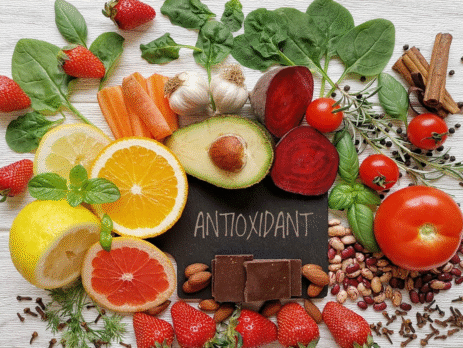
Antioxidants
What Are Antioxidants and How do they help your skin ?
Antioxidants are molecules that prevent and repair cellular damage, as well as providing protection from UV solar radiation. So antioxidants protect and heal your damaged skin.
Antioxidants reduce the effects of other molecules called free radicals, which occur and increase in aged and sun-damaged skin. Free radicals cause premature aging, inflammation, DNA damage, and collagen breakdown.
There are many causes of skin damage, but the commonest ones are:
- Normal aging
- Excessive solar exposure
- Genetics- some people show signs of skin aging sooner than others, and your parents have a lot to do with that
- Cigarette smoking
- Stress and poor sleep patterns
- Poor nutrition, especially excessive sugar intake and inadequate fresh fruit and vegetables in the diet; processed foods contain chemicals that can cause skin inflammation, and inadequate water consumption can cause chronic dehydration, which leads to dry, lifeless-looking skin.
I will give you details about five of what I consider the best antioxidant products to use, and below that, more information about the main antioxidants. In other articles, I will explain how and when to use them in various skincare regimens.
Major Categories of Antioxidants in Skincare:
- Vitamins:
Vitamin C (L-Ascorbic Acid & Derivatives)
- Neutralizes free radicals
- Stimulates collagen synthesis
- Inhibits tyrosinase enzyme which reduces melanin ( brown pigment) production
- Regenerates vitamin E
Skin Benefits of Vitamin C:
- Brightens skin tone and reduces hyperpigmentation
- Stimulates collagen production for firmer skin
- Provides some photoprotection (some sunscreens contain antioxidants for extra protection)
- Improves skin texture and radiance
Vitamin E (Tocopherol)
Natural sources are vegetable oils, seeds, nuts, wheat germ
Skin Benefits:
- Protects skin barrier function
- Reduces inflammation and irritation
- Improves wound healing
- Has moisturizing effects
Vitamin A (Retinoids – covered in my article about Retinoids)
Antioxidant Properties:
- Neutralizes free radicals
- Protects against UV damage
- Supports cellular repair mechanisms
- Polyphenols:
Green Tea (Epigallocatechin Gallate – EGCG)
Sources:
- Camellia sinensis (Green Tea) leaves
Skin Benefits:
- Strong anti-inflammatory effects
- Provides photoprotection
- Anti-aging effects through collagen protection
- Soothes irritated skin
Resveratrol
- Anti-aging through sirtuin activation
- Reduces inflammation
- Protects against environmental damage
- Improves skin firmness and elasticity
Grape Seed Extract (Proanthocyanidins)
- Contains proanthocyanidins, which have strong antioxidant effects.
- Strengthens capillaries and blood vesselsà good for rosacea treatment
- Protects collagen and elastin from enzymatic breakdown
- Anti-inflammatory properties
Skin Benefits:
- Improves skin firmness and elasticity
- Reduces appearance of spider veins
- Enhances wound healing
- Provides anti-aging benefits
- Carotenoids
Beta-Carotene
Sources:
- Orange/yellow vegetables – carrots, sweet potatoes
- Leafy greens – spinach, kale
- Algae – synthetic production
Skin Benefits:
- Natural sun protection (mild)
- Improves skin color and radiance
- Reduces photodamage
- Supports skin barrier function
Lycopene
Sources:
- Tomatoes (especially cooked)
- Watermelon, pink grapefruit
- Red peppers
How It Works:
- Most potent oxygen quencher among carotenoids
- Protects against UV-induced damage
- Anti-inflammatory properties
- Accumulates in skin for ongoing protection
Skin Benefits:
- Superior photoprotection
- Reduces signs of photoaging
- Improves skin texture
- Anti-inflammatory effects
- Minerals
Selenium
Sources:
- Brazil nuts (richest source)
- Seafood, meat
- Selenium-enriched yeast
Skin Benefits:
- Enhances skin’s natural antioxidant defences
- Reduces inflammation
- Supports wound healing
- Protects against UV damage
Zinc
Sources:
- Oysters, meat, seeds
- Zinc oxide (topical applications- in creams including sunscreens)
- Zinc gluconate, zinc sulfate
Skin Benefits:
- Reduces acne and inflammation
- Supports wound healing
- Provides mild sun protection (zinc oxide)
- Regulates oil production
- Specialized Antioxidants
Coenzyme Q10 (Ubiquinone)
Sources:
- Naturally produced in human cells
- Also in organ meats, fish
- Synthetic production for skincare
How It Works:
Regenerates vitamin E and other antioxidants
Declines with age – so supplementation is worth considering
Skin Benefits:
- Energizes skin cells
- Reduces signs of aging
- Improves skin firmness
- Enhances cellular repair
Alpha-Lipoic Acid
Sources:
- Naturally produced in small amounts
- Organ meats, spinach
- Synthetic production for supplements/skincare
How It Works:
- Regenerates other antioxidants (vitamins C, E, glutathione)
- Anti-inflammatory properties
Skin Benefits:
- Widespread antioxidant protection
- Reduces fine lines and wrinkles
- Improves skin texture
- Anti-inflammatory effects
KEY ANTIOXIDANTS
When choosing antioxidant creams, look for these proven ingredients:
-
Vitamin C
 Brightening, collagen synthesis, UV protection
 -
Vitamin E Moisturizing, works together with vitamin C, increases Vitamin C effects
-
Niacinamide Pore reducing , oil control, anti-inflammatory effects.
-
Resveratrol strong anti- aging and anti-inflammatory
-
Green tea extract Very soothing, anti-inflammatory, provides strong photoprotection
-
Polyphenols Broad-spectrum antioxidant protection
-
Hyaluronic acid Hydrating (not an antioxidant but supports antioxidant function)
PREMIUM/PROFESSIONAL ANTIOXIDANT PRODUCTS
Obagi Medical Professional-C Serum 20%
This is a high-strength Vitamin C which causes skin lightening, as well as providing rejuvenating and protective effects to damaged and aged skin.
Estée Lauder DayWear Multi-Protection Anti-Oxidant 24H-Moisture Creme SPF 15
This product combines antioxidants with sun protection. Note the SPF is low at 15, but the antioxidants will add to the sun-protecting effects.
I have had patients who didn’t like using sunscreens and found good protection with a strong antioxidant mixture alone.
EltaMD UV AOX Elements Broad-Spectrum SPF 50
Another combination antioxidant and sunscreen; note the sunscreen is much higher at SPF 50, but if you are not using other sunscreen, then you will need to reapply this cream at least once during the day if you are spending time outside.
SkinCeuticals Resveratrol B E
Key antioxidants: Resveratrol + baicalin (flavonoid antioxidant)
Resveratrol is found in various plants, including grapes, berries, peanuts, and cocoa. It’s also present in red wine, derived from grapes. Plants produce resveratrol as a response to stress, such as fungal infection, UV radiation, or injury.
Baicalin is obtained from the plant Baikal skullcap. It’s a naturally occurring compound known for its potential anti-inflammatory, antioxidant, and anti-cancer effects. It has been used for hundreds of years as a component of some Chinese medicines.
MooGoo Antioxidant Anti-Ageing Skin Renewal Cream
Has multiple antioxidants that are especially beneficial for the treatment and protection of mature/ aged skin.
Oliveda F42 Corrective Face Cream
This is derived from concentrated olive leaf extract
Start with lower concentrations of vitamin C (10-15%) or gentler antioxidants like niacinamide and vitamin E.
For Experienced Users and/or severe sun damage with pigmentation, high-potency serums like the Obagi Professional-C 20% or multi-antioxidant complexes are worth using.
A good option if you have been outside and forgot to use sunscreen, and/ or your skin feels inflamed and irritated, is to use a green tea based cream such as Innisfree Green Tea Seed Hyaluronic Cream -this will not only soothe your skin, it will also prevent some of the damage that will be caused by the UV radiation you have been exposed to.
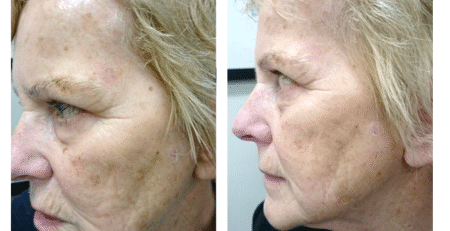
Case Study: The Transformed Face of a Fisherman
This is a man in his early 60s who had spent many years working as a fisherman in northern Australia. He didn’t use any sun protection, so he was exposed to significant amounts of solar radiation in tropical Australia, and had double exposure due to the extra effect of the sunlight being reflected from the sea.
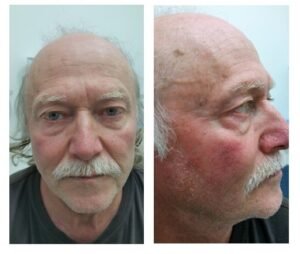
After using an antioxidant cream for two months, his skin felt more comfortable and looks a lot less inflamed and damaged. Also, much of his excess pigmentation has resolved.
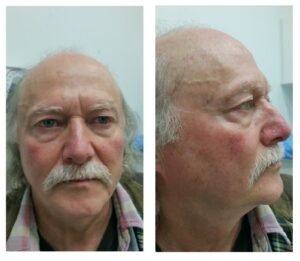
A genuine and significant improvement was achieved in under two months. He was very pleased with the results, not only because his sun-damaged skin was greatly improved, but because he looked years younger!
He returned a few months later because his skin had deteriorated. He was washing his face with hot water and soap. I advised him to use a gentle body wash cleanser, and his skin improved.
He declined other treatment options such as peptides due to his financial situation, and to be honest, when I last saw him he had stopped using all treatment, and it was showing.
This initial improvement occurred during the middle of an Australian summer, while spending a lot of time outside, paddling his kayak. He didn’t use any of the usual broad-spectrum UVA and UVB blocking sunscreens, which raises the following question:
Are Antioxidant Creams Better than Sunscreens?
Because I’ve never seen if that question has ever been asked or answered, I encourage you to continue to use both the usual UV-blocking sunscreen and an antioxidant cream.
Avoiding direct sun exposure, especially during the middle of the day, and wearing protective clothing, plus regular application of sunscreen and antioxidant creams sounds like the right thing to do.
For Daily Protection
Choose products that combine antioxidants with sunscreen such as the Estée Lauder DayWear or EltaMD UV AOX which provide greater protection.
For Specific Concerns
- Sun damage: Vitamin C + resveratrol combinations
- Sensitive skin: Baicalin, green tea extract, niacinamide
- Anti-aging: Multi-antioxidant formulas with peptides
The most effective antioxidant creams typically contain multiple antioxidants working together.
To Ensure the Antioxidant is the most effective:
- Appropriate packaging – the cream or serum needs to be kept in dark, airless containers
- They work best if stabilizing ingredients – such as ferulic acid, vitamin E have been added to the formula
- In a cream form the pH is important- an ideal skin pH of 4.5-5.5 causes healthy skin which is resistant to damage from infections, inflammation, UV damage, and this pH is the level when antioxidants are the most effective.
- Light sensitivity – many antioxidants degrade in UV light, so the container should be dark glass or plastic/glass pump pack
- Oxygen effects -keep your antioxidant in a closed container, preferably in pump pack form, to reduce exposure to the air, which causes the antioxidant to be degraded and less effective. So, if your antioxidant is in a cream form in a jar, only open it for as short a time as possible (a few seconds).
- Temperature sensitivity – heat accelerates the degradation of antioxidants
Application and Timing:
- Morning application is the best time to use antioxidants-they will provide protection – against UV damage, poor diet, dry air and other environmental factors
- Clean skin – remove barriers to absorption
- Layer properly – antioxidants before moisturizer
- Consistent use – protective effects continue to increase the longer you keep using the antioxidant.
Stability Issues:
Timing Considerations:
- Vitamin C – morning for sun protection
- Retinoids – evening -they can be degraded by sunlight. Also. retinoids can make your skin more sensitive to solar radiation.
- Multiple antioxidants – can be used together
- With SPF – antioxidants enhance sun protection
Optimal Combinations:
- Vitamin C + E + Ferulic Acid (proven to work well together)
- Green tea + vitamin C (improved stability)
- Resveratrol + vitamin E (improved penetration)
- Multiple polyphenols
Expected Benefits Timeline:
Immediate (Days 1-7):
- Reduced inflammation – calming effects
- Improved radiance – from surface protection
- Better skin feel – smoother texture
Short-term (2-8 Weeks):
- Visible brightening – reduced hyperpigmentation
- Improved texture – smoother, more refined
- Enhanced glow – healthier-looking skin
Long-term (3-6 Months):
- Reduced fine lines – from collagen protection
- Even skin tone – continued pigmentation improvement
- Improved firmness – from ongoing protection and repair
The most effective approach combines multiple antioxidants that work together to provide maximum protection.
While results take time to show benefits, consistent use of well-formulated antioxidant products provides both immediate protection and long-term anti-aging benefits.



Leave a Reply